
Flutter vs. Native: Which Is Right for Your First App?
Cross-platform or native? We break down cost, performance and time-to-market to help you choose the right approach.
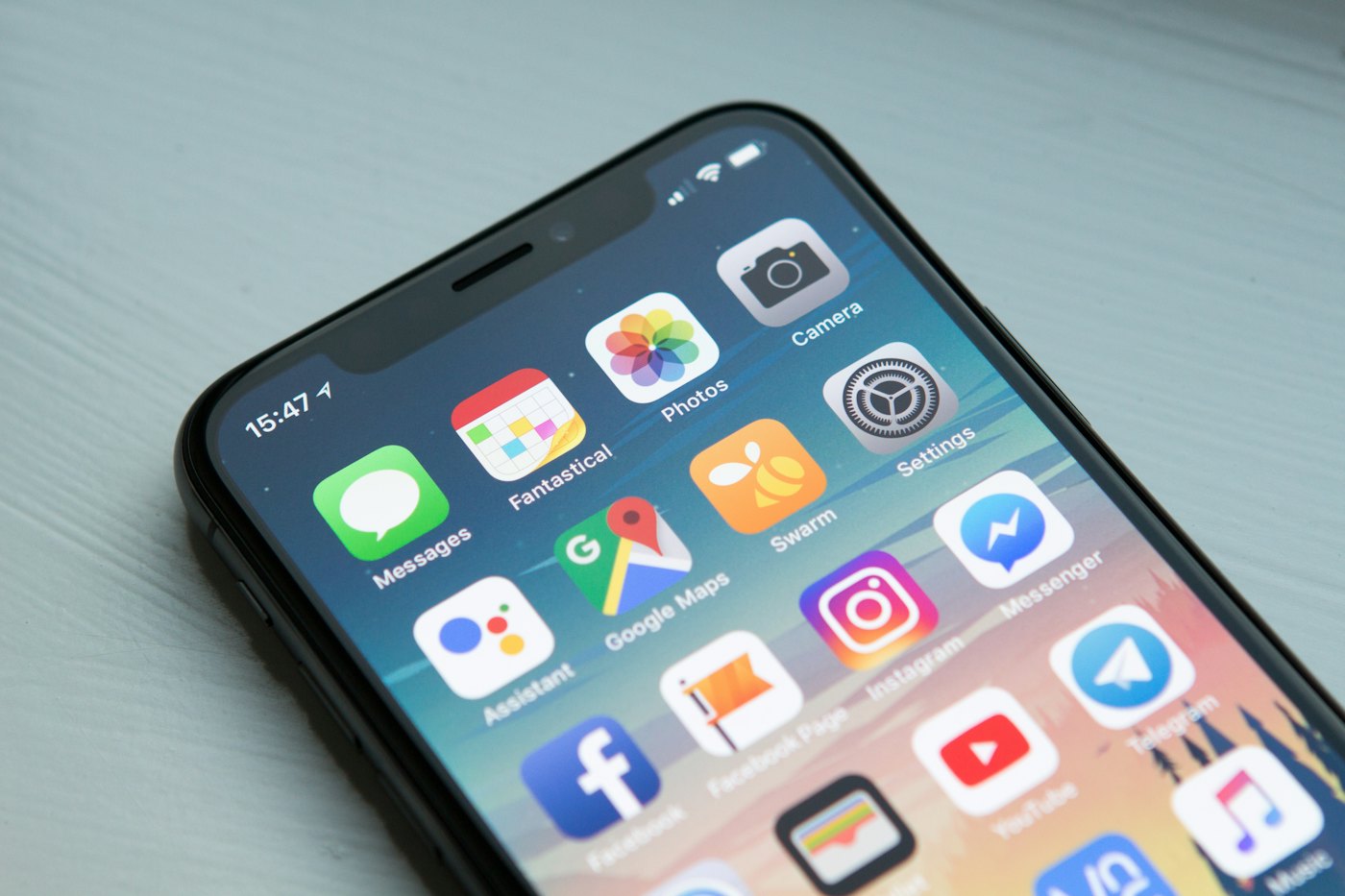
One of the first decisions in any app project is how to build it: separate native apps for iPhone and Android, or a single cross-platform app using a framework like Flutter. Both are excellent choices — for different situations.
What is native development?
Native apps are written in each platform's own language — Swift for iOS and Kotlin or Java for Android. They have direct access to every device feature and new operating-system capability on day one.
What is Flutter?
Flutter is Google's open-source framework for building iOS, Android, web and desktop apps from one codebase. It compiles to fast native code and draws its own interface, so apps look identical on every device.
| Flutter | Native (Swift + Kotlin) | |
|---|---|---|
| Codebases | One | Two |
| Typical cost | Lower (30–40% savings) | Higher |
| Time to market | Faster | Slower |
| Performance | Excellent for most apps | Best possible |
| Newest OS features | Usually soon after release | Immediately |
| Consistent design | Identical on all devices | Platform-specific look |
Choose Flutter if…
- You need to launch on both iPhone and Android with one budget.
- Speed to market matters — for example, validating an MVP.
- Your app is content, commerce, booking or business focused.
Choose native if…
- Your app relies on cutting-edge hardware features such as advanced AR or custom Bluetooth devices.
- You need the absolute highest performance — high-end games or real-time media processing.
- You are targeting only one platform.
Still unsure? Our mobile development team builds both, so we will recommend the approach that fits your goals — not the one we happen to prefer. Read more in our app development FAQ.
Not sure where to start?
Tell us about your project — we reply within one business day. Or call 888-808-8212.